"Could You Be Charlamagne?" by Phil
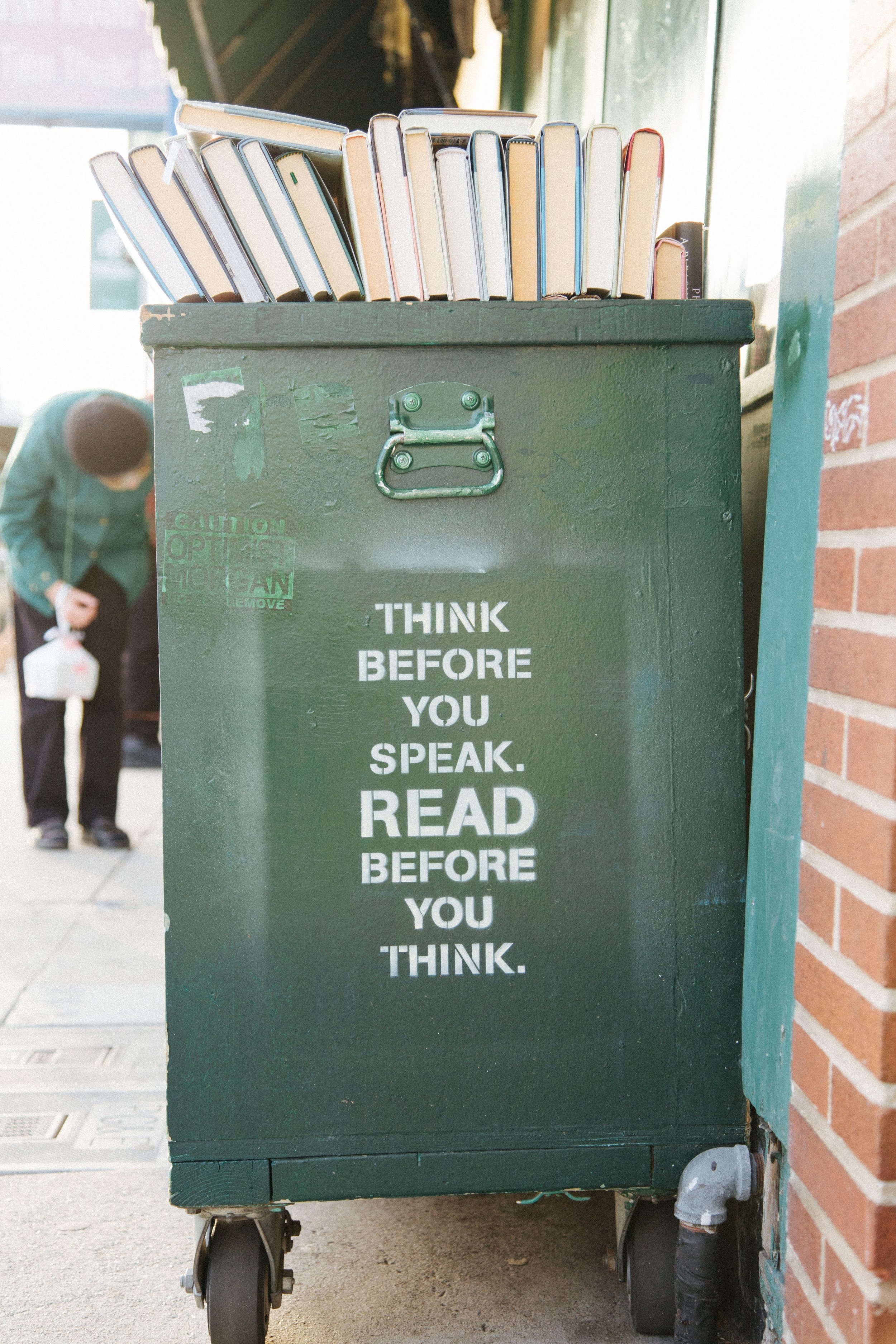
It's a simple question. Could you give any and everyone your honest opinion professionally? Pardon me for assuming, but I'm going to say no. Don't get me wrong, I'm sure you don't mind sharing your opinion with a few friends, and you're probably okay with the occasional stranger liking your pictures for three weeks straight. But even then they might not make it to week four. Why?
Many of us reserve our real thoughts for those who already accept us for who we are. They've already seen our most ratchet moments, and now they clap as we reveal more woke and sleep situations in our life.
But what if your boss knew?
Better yet, what if all of your future employers followed you to Coachella.. and Carnival. What if a live studio audience was acutely aware of your occasional n-word use, and often imitated your accent when they used it themselves? Sure you don't mind dragging Kanye from the safety of your own home, but would you really tell him that he was canceled to his face? After he just gave you a peak of next season's Yeezy's? I doubt it.
It's hard enough for some of us to stop drinking Starbucks for one week, so pardon me if I think that a lot of our opinions are only skin deep.
Being opinionated is hard fam. Not just because it takes bravery to express ideas, but because it requires you to stay informed to continue doing so. If not, sooner or later you'll look and sound like an idiot. By the way, the real title of this article is "Who's Your Editor," but I used the Charlamagne title to get you to read this far.
As you may or may not know, I'm a writer, a businessman, and a business man so when I sit down and put pen to paper, I need it to be perfect. Grammar is probably the lowest thing on the totem pole for me, but it's the first thing my persnickety audience will criticize. They'll likely jettison my entire message if the spelling is off-kilter, and this is equally true with poorly articulated thoughts. I hate to say it, but it's often excruciatingly painful to get on board with a lot of our messages Millennials. We're on the same team, and I'm always going to stick up for us, but some of y'all look really crazy out here. Don't get mad at me for saying that either, because we often send mixed messages like an interracial couple, and unfortunately, even that can still offend people. I don't know why our Childish Gambino is far less agreeable than our Donald Glover, but I'm just asking that we keep that same energy when we finally make a Star Wars movie.
Take me for example. Some could balk at my use of celebrity pop culture to anchor complex arguments, but I'm convinced that we use superstars as reference points for our own identities, perspectives, and sense of north... regardless of how we may feel about them. Is that a good thing? I'm not sure, but I can't demand that my followers exile the very culture that I mainly indulge in too. That would be glaringly self-righteous and contradictory. If you're wondering what this has to do with editors, bare with me for a second.
When we go off the deep end, it is often the least invested listener that screams "BOOOOOOOO" from the mountaintops. Their natural repulsion of literal and figurative noise forces us to deal with our lack of actual sustenance. Only then does the bourgeoisie add in their two cents, all but ensuring that the once brave soul within us is humiliated or demonized for saying what it really felt was right. In that sunken place, onlookers peer over the carcass of our dearly departed vision and say six over simplified words.
"Where were their real friends at?"
This begs the question, is there a point where your real friends and family cannot edit what you do? To better illustrate what I mean, let me put it in a different perspective. There are two types of editing in the literary world: grammar based and subject matter based. Both are important, but one takes considerably more knowledge, nuance, and understanding than the other. Some of your friends and family were with you during the early stages, making sure you put your periods inside of the quotation marks, but now you're speaking an entirely different language. Does their inability to comprehend it make them bad friends?
It's hard when you come to that place, but even harder when you ask the bigger question, who is qualified to edit me now? Hopefully, a few people came to mind, because that's just the beginning of it. The biggest hurdle is keeping qualified editors who are willing to help you and actually fulfill their promise to do so. Imagine what the white house and every other house in the world would be like if someone decided to correct ignorance instead of hiding it or making fun of it.
Dear Millennial, it is my sincere hope that you find amazing editors who can take your message to the next level. Cherish them and love them til' death do you part. There aren't many that are willing to wade through our disillusion, delusion, and hubris to reveal, focus, and empower our voice. It's definitely there, but some of you have been drinking and smoking so much that it's almost gone. I'm not judging I'm just saying.
If you're not being paid to be a social critic, I will take a few minutes to figure out why any objective person should care about your opinion. How much of your blog is researched, and how much is a stream of personal bias? How much is actually positive or just positive for you? This isn't a pass for those who are ignorantly spouting their innermost feelings; it's more of a message of encouragement not to play by their rules. Someone should still be able to tell you something, even when you get your money right.
"If you knew better you would do better."
Not necessarily. Plenty of people hear good advice, yet never listen to it. I believe a good portion of that is attributed to the way we give and receive counsel. I've found that my best editors always had a knack for being able to speak to the person and not to the position. Not only that, they were extremely patient. Growing up, my father had a phrase that stuck with me to this day "L&W." It stands for loud and wrong. When I was particularly passionate about a subject, that I didn't have expertise in, I would use little tricks to hide my lack of knowledge.
1. Raise my voice
2. Attack the character of the opposition
3. Use generalizations & stereotypes
4. Cite my expertise other areas
5. Take words out of context
6. Make false or unequal comparisons
These are common defense mechanisms, but a good editor will pick up on them and go the extra mile to reveal the flaw in reason. My very best editors gave me a safe space to admit my ignorance and calmly outlined it without completely discouraging me. I use them as templates when I find myself editing others.
I'll leave you with this. Maya Angelou once said that she doesn't trust anyone who doesn't laugh. Well, I don't trust people without accountability. It's cool if you want to make up your language. Not so cool, if you decide to ignore all other ones. It becomes a real problem when we can't even use your own words because you change the meaning, symbols, and punctuation of them to suit your mood. How will we communicate with you in an emergency? By force? Such is my point with opinions and ideas too. Find someone who can speak your language and allow them to administer cohesion, so we can all enjoy it also.
Speaking of enjoyment. I've created a playlist specifically for thinkers. It's basically the musical version of this and more articles to come. Let me know what you think.